
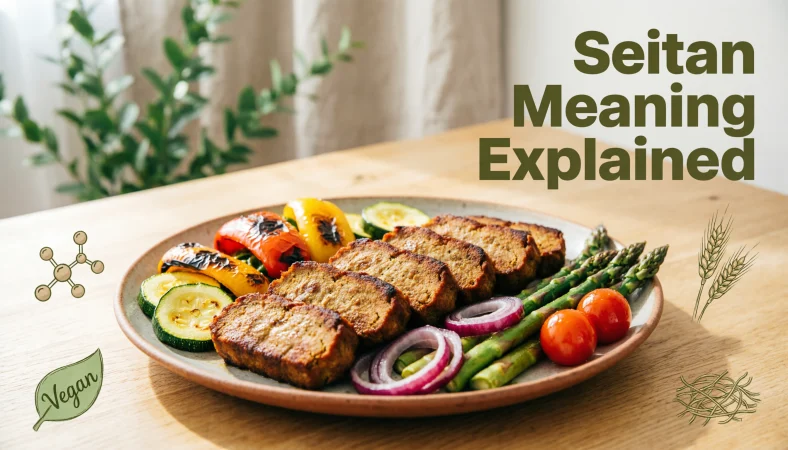
Seitan is a plant-based meat substitute made primarily from wheat gluten, the main protein found in wheat. Known for its dense, chewy texture and high protein content, seitan is widely used in vegetarian and vegan diets as an alternative to meat in dishes such as stir-fries, sandwiches, curries, and roasts.
Seitan has become one of the most popular meat alternatives worldwide due to its versatility, nutritional value, and ability to absorb flavors. While it originated centuries ago in East Asian cuisine, it is now commonly found in modern vegan and vegetarian cooking.
Understanding the meaning of seitan, along with the seitan definition, is important for anyone exploring plant-based nutrition, food trends, or dietary alternatives. Unlike tofu, which is made from soybeans, seitan is created from wheat protein and closely mimics the texture of meat, making it a preferred choice for many people seeking meat-free options.
As interest in sustainable eating and plant-based lifestyles continues to grow, seitan has gained significant attention among nutrition experts, chefs, and health-conscious consumers. However, because it contains gluten, it is not suitable for individuals with celiac disease or gluten sensitivity. Knowing what seitan means and understanding the seitan definition helps consumers make informed dietary choices and better understand one of the most widely used vegan protein sources available today.
Why Is Seitan So Popular?
As interest in plant-based diets continues to grow, many people look for protein-rich alternatives to traditional meat. Seitan stands out because it closely mimics the texture of meat while offering a substantial amount of protein.
Unlike many plant-based foods that can be soft or crumbly, seitan has a firm, chewy consistency that works well in stir-fries, sandwiches, stews, curries, and grilled dishes.
People choose seitan because it:
- Contains a high amount of protein
- Has a texture similar to meat
- Is versatile in cooking
- Absorbs flavors easily
- Can be made at home or purchased ready-made
- Fits vegetarian and vegan lifestyles
Origin of the Word Seitan
The term “seitan” originated in Japan during the 1960s.
It was reportedly coined by Japanese philosopher and educator George Ohsawa and members of the macrobiotic food movement. The word combines Japanese elements that roughly relate to “made from protein” or “protein-based food.”
Although wheat gluten foods have existed for centuries, particularly in East Asian cuisines, the modern name “seitan” helped popularize the product worldwide.
Historical Background
Long before the word “seitan” existed:
- Buddhist monks in China used wheat gluten as a meat substitute.
- Traditional Asian cuisines included gluten-based dishes for centuries.
- Vegetarian communities valued wheat gluten for its protein content.
Today, seitan is commonly found in vegan restaurants across the world.
How Is Seitan Made?
Seitan is produced by separating gluten from wheat flour.
The traditional process involves:
- Mixing wheat flour with water to form dough.
- Washing the dough repeatedly.
- Removing starch and leaving behind gluten.
- Cooking the remaining gluten in broth, soy sauce, or seasonings.
The result is a dense, chewy protein-rich food.
Basic Ingredients
| Ingredient | Purpose |
|---|---|
| Wheat Gluten | Main protein source |
| Water | Forms dough |
| Soy Sauce | Adds flavor |
| Vegetable Broth | Enhances taste |
| Spices & Seasonings | Customizes flavor |
Many modern recipes use vital wheat gluten powder, making preparation faster and easier.
What Does Seitan Taste Like?
On its own, seitan has a relatively mild flavor.
Its biggest strength is its ability to absorb seasonings and marinades.
Depending on preparation, seitan can taste like:
- Grilled chicken
- Beef strips
- BBQ meat
- Spicy stir-fry protein
- Savory roasted meat alternatives
This adaptability makes it a favorite among chefs and home cooks.
Seitan in Everyday Usage
Unlike internet slang or abbreviations, seitan is a food-related term used in cooking, nutrition, and dietary discussions.
Common Usage Examples
| Sentence | Context |
|---|---|
| “I made seitan tacos for dinner.” | Casual conversation |
| “This restaurant serves homemade seitan burgers.” | Food review |
| “Seitan is one of the highest-protein vegan foods.” | Nutrition discussion |
| “The seitan absorbed the barbecue sauce perfectly.” | Cooking context |
| “Many vegans use seitan as a meat replacement.” | Lifestyle discussion |
Is Seitan Vegan?
Yes.
Traditional seitan is considered vegan because it is made from plant-derived ingredients.
However, always check ingredient labels because some commercial products may contain:
- Honey
- Egg-derived ingredients
- Dairy flavorings
- Animal-based additives
Most seitan products marketed to vegans are entirely plant-based.
Is Seitan Vegetarian?
Yes.
Because it contains no meat, poultry, or fish, seitan is suitable for vegetarian diets.
It is especially popular among vegetarians seeking additional protein sources.
Nutritional Value of Seitan
One reason for seitan’s popularity is its impressive protein content.
Typical Nutrition (Approximate Per 100g)
| Nutrient | Amount |
|---|---|
| Protein | 20–25g |
| Carbohydrates | Low |
| Fat | Very Low |
| Calories | 120–150 |
| Fiber | Low |
| Iron | Moderate |
Actual values vary depending on preparation methods and ingredients.
Benefits
- High protein content
- Low fat
- Low carbohydrate levels
- Filling and satisfying
- Versatile for many recipes
Potential Drawbacks of Seitan
While seitan offers many advantages, it is not suitable for everyone.
Avoid Seitan If You Have:
Celiac Disease
Because seitan is almost pure gluten, it is unsafe for people with celiac disease.
Gluten Sensitivity
Those with gluten intolerance may experience digestive discomfort.
Wheat Allergies
Individuals allergic to wheat should avoid seitan entirely.
Seitan vs Other Plant-Based Proteins
Many people compare seitan with tofu, tempeh, and other meat alternatives.
Comparison Table
| Food | Main Ingredient | Protein Level | Texture |
|---|---|---|---|
| Seitan | Wheat Gluten | Very High | Chewy, meat-like |
| Tofu | Soybeans | Moderate | Soft to firm |
| Tempeh | Fermented Soybeans | High | Firm, nutty |
| Lentils | Legumes | Moderate | Soft |
| Chickpeas | Legumes | Moderate | Creamy |
When to Choose Seitan
Choose seitan when you want:
- A meat-like texture
- High protein content
- A versatile ingredient for savory dishes
Choose tofu or tempeh if you need gluten-free alternatives.
Seitan vs Tofu: Which Is Better?
Neither is universally better—it depends on your needs.
| Feature | Seitan | Tofu |
|---|---|---|
| Protein | Higher | Lower |
| Gluten-Free | No | Yes |
| Texture | Meaty | Softer |
| Soy-Free | Usually Yes | No |
| Flavor Absorption | Excellent | Excellent |
People often use both foods depending on the recipe.
Why Do Some People Mistakenly Associate Seitan with “Satan”?
Because the words seitan and Satan sound somewhat similar in English, newcomers sometimes confuse them.
However, the two words are completely unrelated.
Quick Clarification
| Word | Meaning |
|---|---|
| Seitan | Wheat-gluten food |
| Satan | Religious figure in various traditions |
The similarity is purely coincidental.
Popular Seitan Dishes Around the World
Seitan appears in countless recipes.
Popular Examples
- Seitan burgers 🍔
- Seitan wings 🍗
- Vegan steak alternatives 🥩
- BBQ seitan sandwiches
- Seitan stir-fry
- Seitan kebabs
- Vegan tacos 🌮
- Asian noodle dishes 🍜
Its adaptability makes it one of the most creative ingredients in plant-based cooking.
Professional and Dietary Alternatives to Seitan
If seitan isn’t suitable for your dietary needs, consider:
Gluten-Free Alternatives
- Tofu
- Tempeh
- Chickpeas
- Lentils
- Black beans
- Jackfruit
- Pea protein products
High-Protein Alternatives
- Tempeh
- Edamame
- Textured vegetable protein (TVP)
- Pea protein meat substitutes
Common Misconceptions About Seitan
Myth 1: Seitan Is Artificial
False.
Traditional seitan is made from simple ingredients, primarily wheat gluten and water.
Myth 2: Seitan Is New
False.
Wheat gluten foods have been consumed in Asia for centuries.
Myth 3: Seitan Has No Nutrition
False.
Seitan is a significant source of plant protein.
Myth 4: All Vegans Eat Seitan
False.
Many vegans prefer tofu, tempeh, beans, or other protein sources.
How to Use Seitan in Cooking
Beginners can start with simple recipes.
Cooking Tips
- Marinate before cooking.
- Grill for a smoky flavor.
- Slice thinly for sandwiches.
- Add to stir-fries.
- Use in curries and stews.
- Season generously for the best taste.
Flavor Pairings
Seitan works especially well with:
- Soy sauce
- Garlic
- Ginger
- Barbecue sauce
- Teriyaki sauce
- Chili sauces
- Herbs and spices
FAQs
1. What does seitan mean?
Seitan refers to a plant-based meat substitute made primarily from wheat gluten.
2. Is seitan vegan?
Yes, traditional seitan is vegan because it is made from plant-based ingredients.
3. What is seitan made from?
Seitan is made mainly from wheat gluten, water, broth, and seasonings.
4. Is seitan healthy?
For many people, seitan can be a healthy source of protein. However, it is not suitable for those with gluten-related conditions.
5. How do you pronounce seitan?
Most English speakers pronounce it as “say-tan” or “say-tahn.”
6. Is seitan better than tofu?
It depends on dietary needs. Seitan has more protein, while tofu is naturally gluten-free.
7. Can people with celiac disease eat seitan?
No. Seitan contains concentrated gluten and should be avoided by people with celiac disease.
8. Why is seitan popular among vegans?
Its high protein content and meat-like texture make it an appealing alternative to animal products.
Conclusion
Understanding the seitan meaning is simple once you know its origins and purpose. Seitan is a protein-rich food made from wheat gluten and widely used as a meat substitute in vegetarian and vegan diets. Its chewy texture, versatility, and ability to absorb flavors have made it a staple ingredient in plant-based cooking around the world.
While seitan offers impressive nutritional benefits and culinary flexibility, it is not suitable for people with celiac disease, gluten intolerance, or wheat allergies. For everyone else, it can be a valuable addition to a balanced diet.
Whether you’re researching vegan foods, exploring healthier eating habits, or simply wondering what seitan is, knowing how it is made, used, and compared to other plant-based proteins helps you make informed food choices.